Bamboo Cupping Cups: The Natural Classic of Chinese Medicine
Long before glass and silicone, Chinese healers reached for a material that grew all around them: bamboo. Bamboo cups are still found in acupuncture clinics across Asia, and they remain a favourite of practitioners who want a natural, traditional tool.
A short history
After animal horn, bamboo was one of the first cupping materials in China. Tang Dynasty medical writers mention bamboo cups, and by the Qing Dynasty bamboo was standard equipment. It was cheap, easy to cut into tubes and naturally hollow, so a single stalk could produce a whole set.
How bamboo cups are made
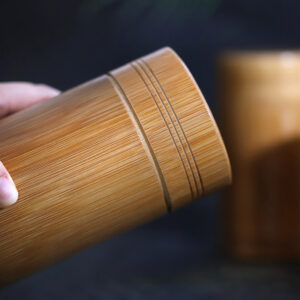
A bamboo cup is a section of stalk cut just below a node. The node forms a sealed bottom, and the open end becomes the rim. The rim is sanded smooth and the outside is often polished or lacquered. Our Bamboo Cupping Jars come in several diameters so you can match the cup to the area being treated.
Why practitioners like bamboo
- Light weight. Bamboo cups weigh far less than ceramic or glass, so several can sit on the back without tugging.
- Durable. They don’t shatter if dropped, which makes them ideal for busy clinics.
- Holds warmth. Bamboo absorbs and holds heat gently, so a warmed cup feels comfortable on the skin.
- Can be boiled. Uniquely, bamboo can be boiled in water or herbal liquid before use (see Post 3).
- Natural feel. Many clients enjoy the look and touch of a natural material.
The trade-off: bamboo is opaque, so you can’t watch the skin inside the cup, and it eventually dries out and cracks with repeated heating. Most practitioners treat bamboo cups as long-lasting but not permanent.
How bamboo cups are used
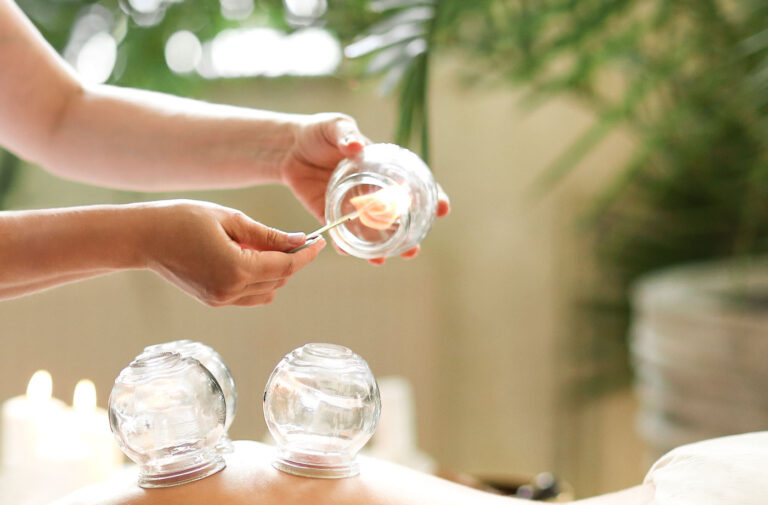
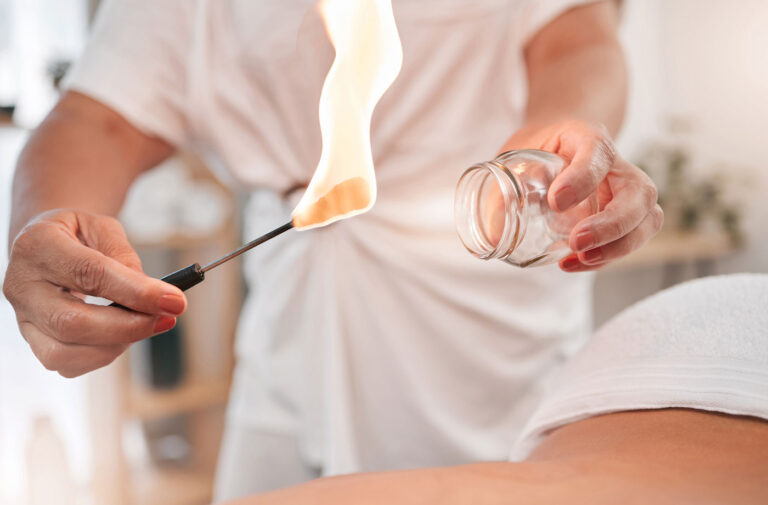
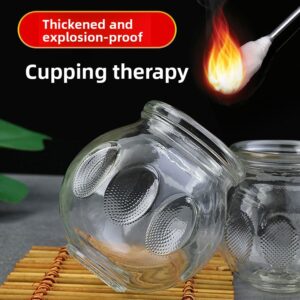
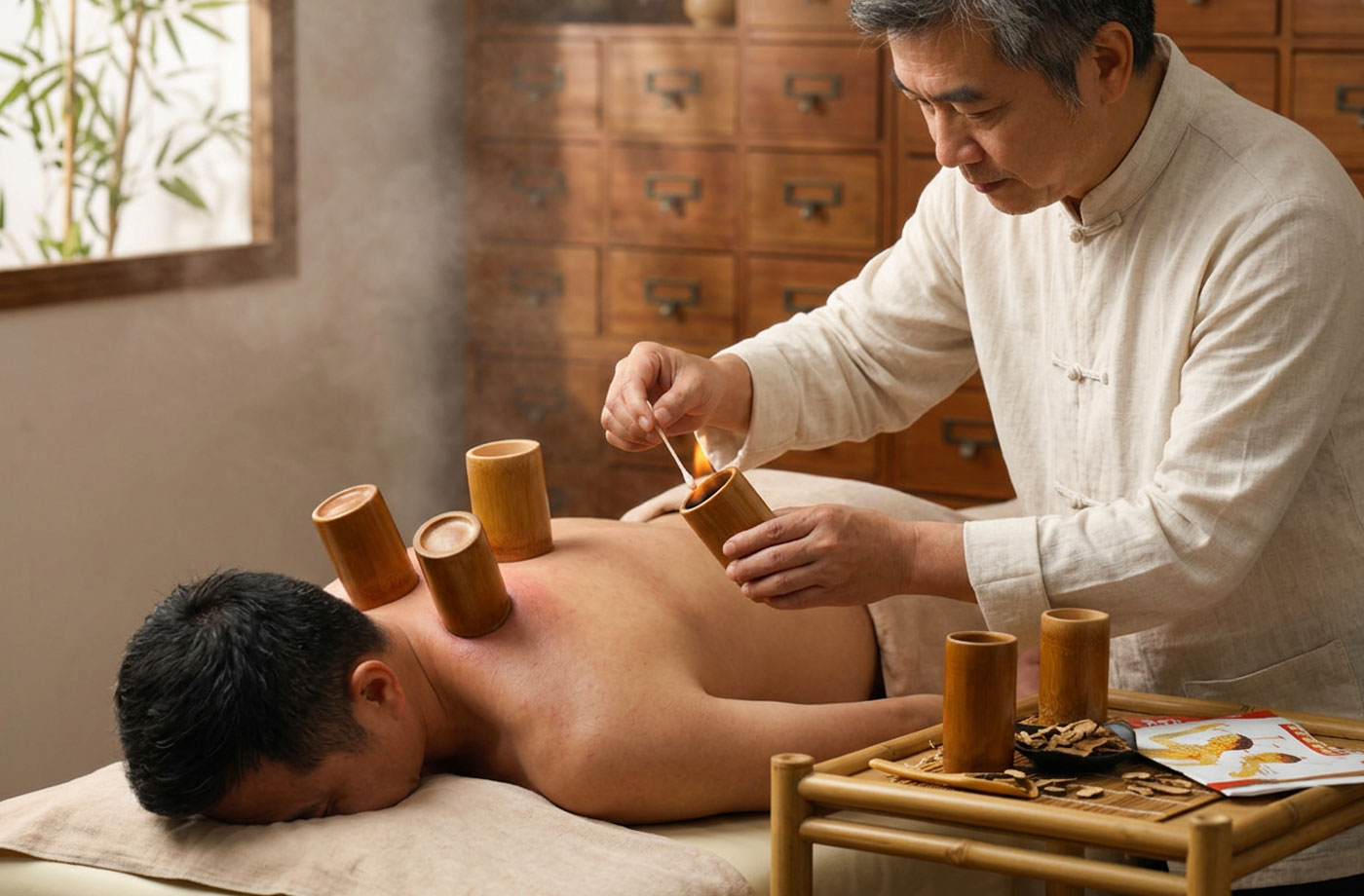
Bamboo cups are traditionally used with heat. In the fire method, a trained practitioner briefly holds a flame inside the cup to heat the air, then places the cup on the skin. As the air cools, it contracts and creates suction. In the boiling method, the cup is boiled, shaken dry and pressed quickly onto the skin; the steam inside condenses and the cup grips.
Cups are usually left in place for 5–15 minutes on muscular areas such as the upper back, shoulders and lower back. Both methods involve heat and a real burn risk, so they’re best learned from a qualified instructor. For safe self-care at home, a piston pump set is a better place to start.
What can bamboo cupping do?
Like all dry cupping, bamboo cupping is mainly used to ease muscle tension and support relaxation. Recent research reviews suggest cupping may reduce some kinds of musculoskeletal pain in the short term, although study quality varies.
Disclaimer
All the material contained on this website is provided for educational and informational purposes only. No responsibility can be taken for any results or outcomes resulting from the use of this material. While every attempt has been made to provide information that is both accurate and effective, this author does not assume any responsibility for the accuracy or use/misuse of this information. When in doubt, please consult your physician. Use this information at your own risk.