Fire Cupping Safety: What Every Practitioner and Client Should Know
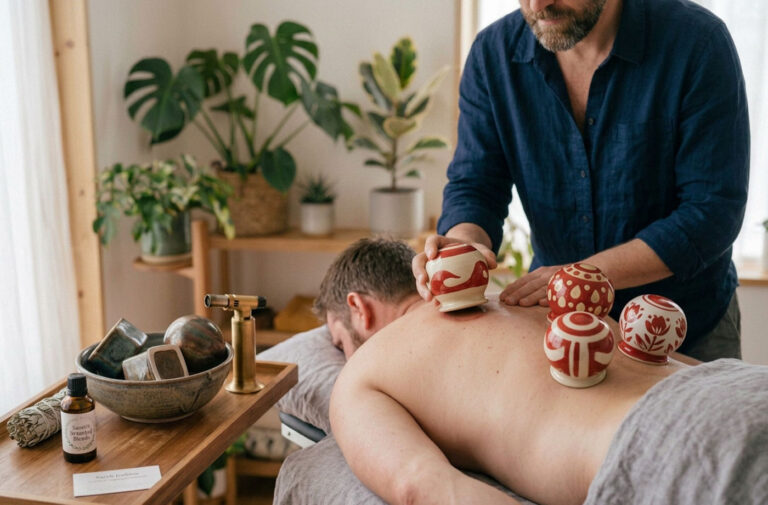
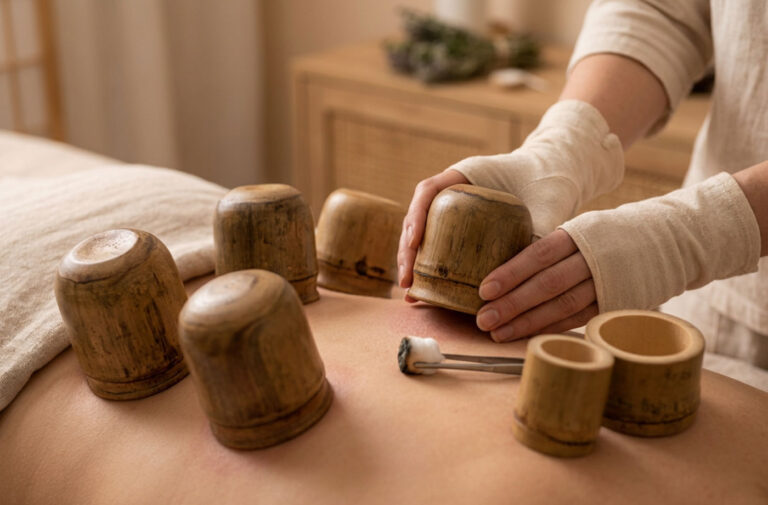
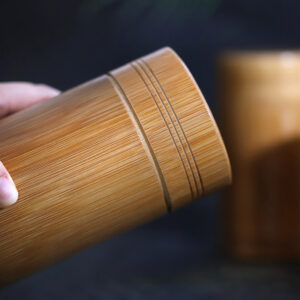
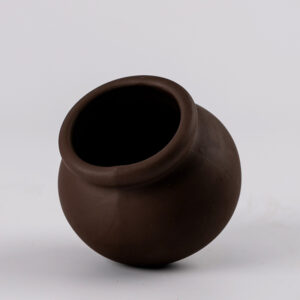
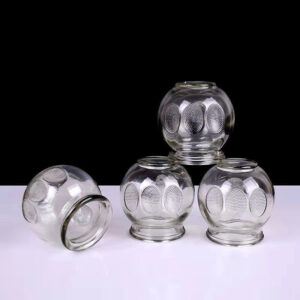
Fire cupping is the classic way to use glass, ceramic and bamboo cups. It’s also the one technique where a mistake can cause serious injury. Here’s how it works and how professionals keep it safe.
How fire cupping works
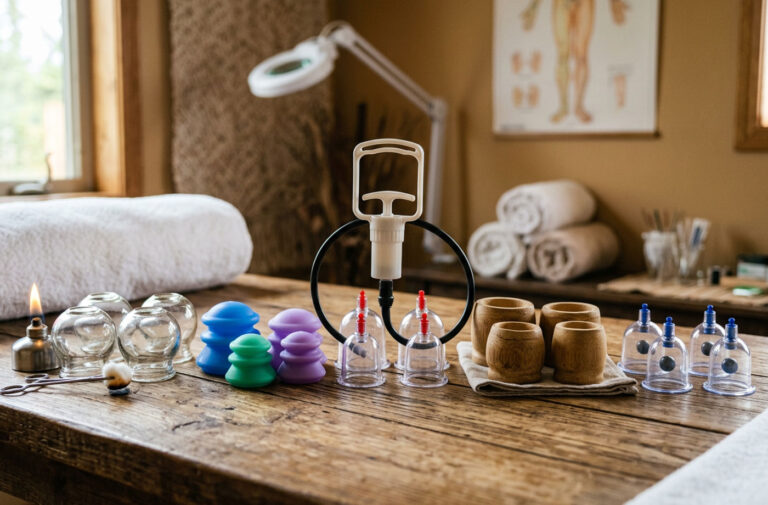
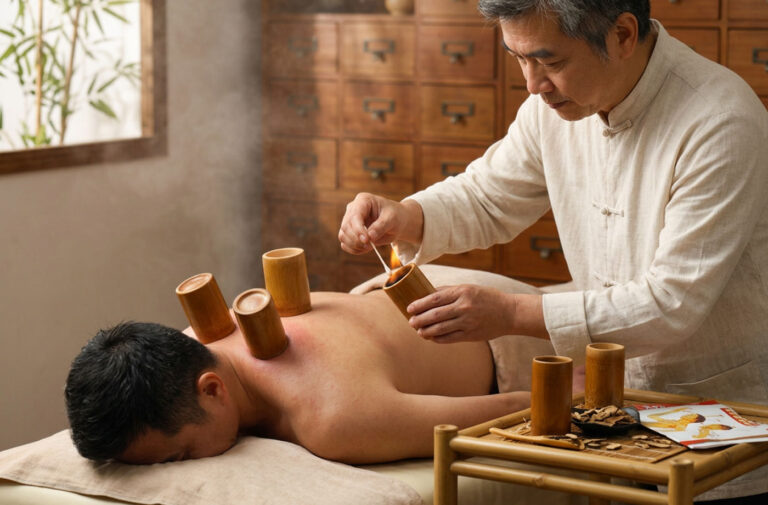
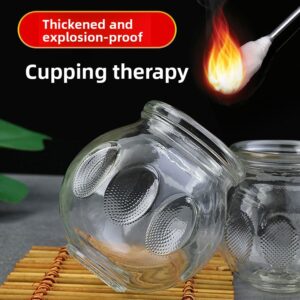
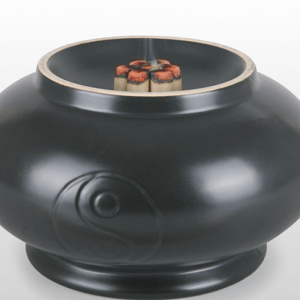
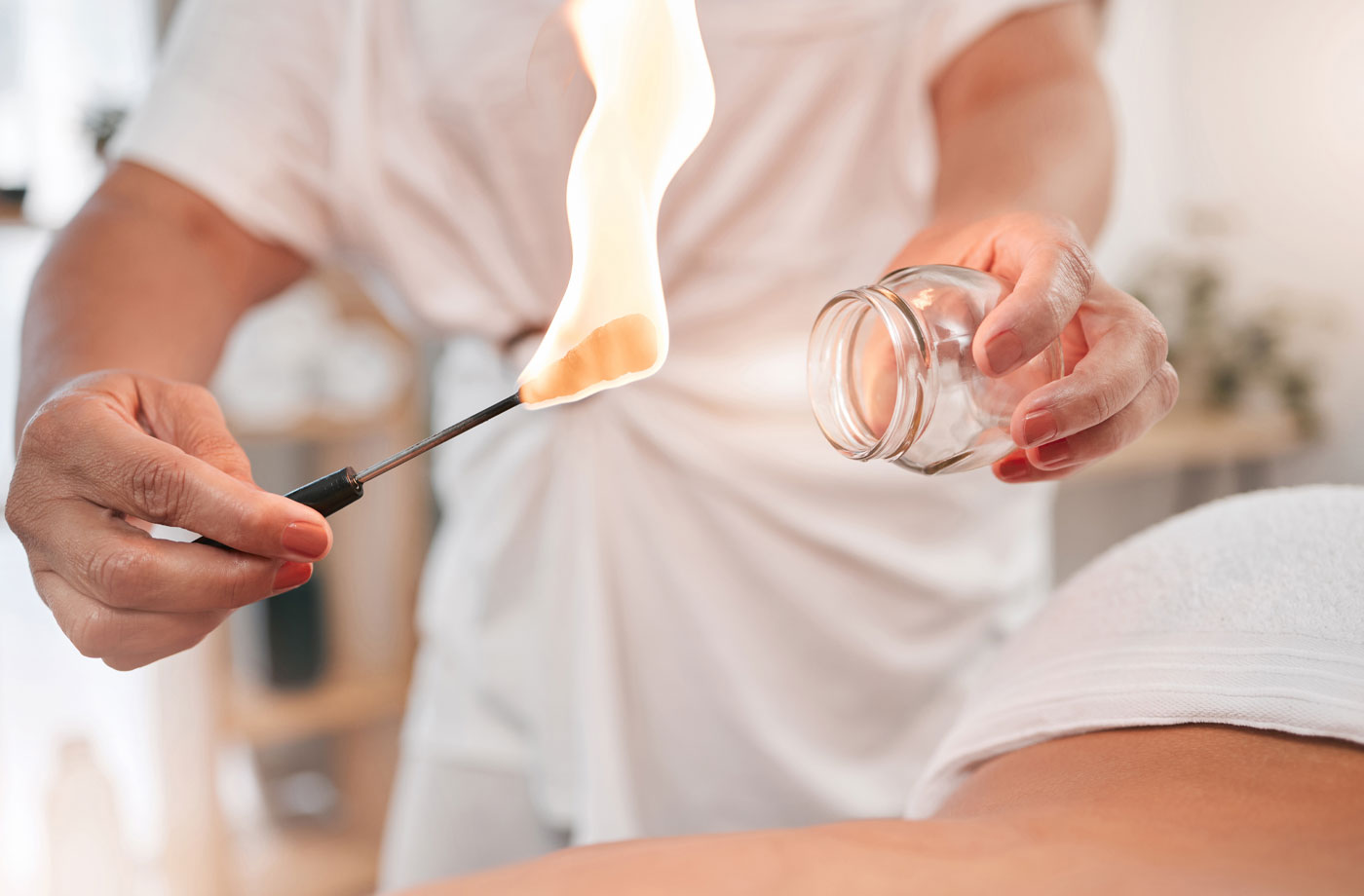
A cotton ball is soaked in high-strength alcohol, squeezed out, gripped in long forceps and lit. The flame is swept briefly inside the cup to heat the air, then withdrawn. The cup is placed on the skin immediately. As the hot air cools, it contracts and draws the skin up into the cup. The flame never touches the client.
Why safety matters
Burns from fire cupping are uncommon but real. Burns specialists at The Alfred hospital in Melbourne reviewed more than 18,700 patients in the Burns Registry of Australia and New Zealand from 2009 to 2016. They found 20 people hospitalised with cupping-related burns, often after alcohol or methylated spirits caught fire; eight needed skin grafts, and most injuries happened at home. The US National Center for Complementary and Integrative Health also lists burns among cupping’s possible side effects.
The professional safety rules
- Train first. Learn fire cupping hands-on from a qualified instructor before using it on anyone.
- Squeeze the cotton. It should be damp, never dripping. Drips of burning alcohol cause most injuries.
- Keep alcohol away. Cap the alcohol bottle and keep it well away from the flame and the client. Never refill the cotton near a lit flame.
- Never alcohol on skin. Don’t apply alcohol-based products to the client’s skin before fire cupping.
- Flame inside, then out. Sweep the flame in the cup’s interior, not across the rim, so the rim doesn’t overheat.
- Have an extinguishing cup. Keep a small jar of water or a snuffer ready to drop the cotton into.
- Mind hair, clothing and drapes. Tie back long hair, remove flammable fabric from the area, and keep towels clear.
- Check the rim. Touch the rim to your own wrist area before placing the cup if you’re unsure of the temperature.
- Don’t fire-cup the face or near the eyes, and never in a room with oxygen equipment.
Prefer no flame?
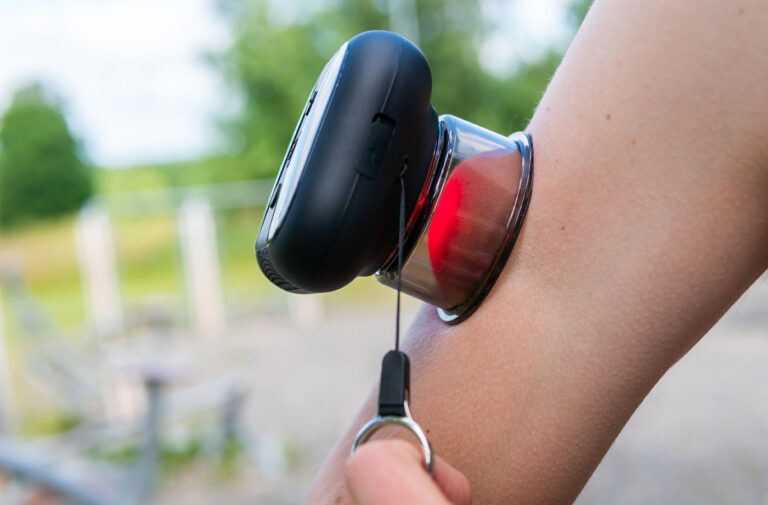
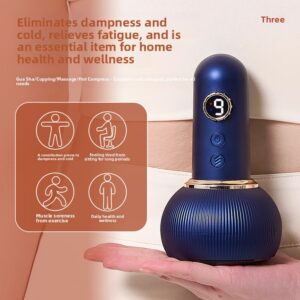
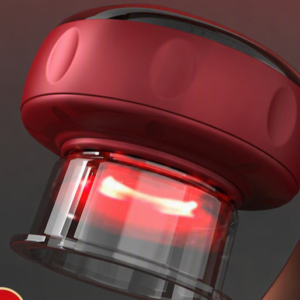
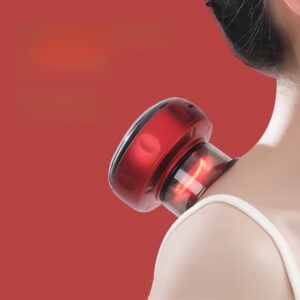
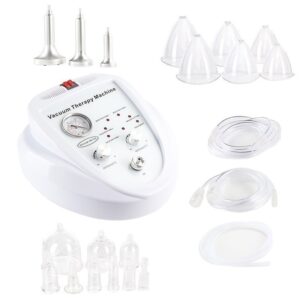
If you’re new to cupping or working at home, choose a flame-free option. Piston pump cups create suction with a hand pump, and electronic cups use a small motor. Both give you precise control without any fire risk.
Disclaimer
All the material contained on this website is provided for educational and informational purposes only. No responsibility can be taken for any results or outcomes resulting from the use of this material. While every attempt has been made to provide information that is both accurate and effective, this author does not assume any responsibility for the accuracy or use/misuse of this information. When in doubt, please consult your physician. Use this information at your own risk.