Does Cupping Work? What the Research Says, What the Marks Mean, and Who Should Skip It
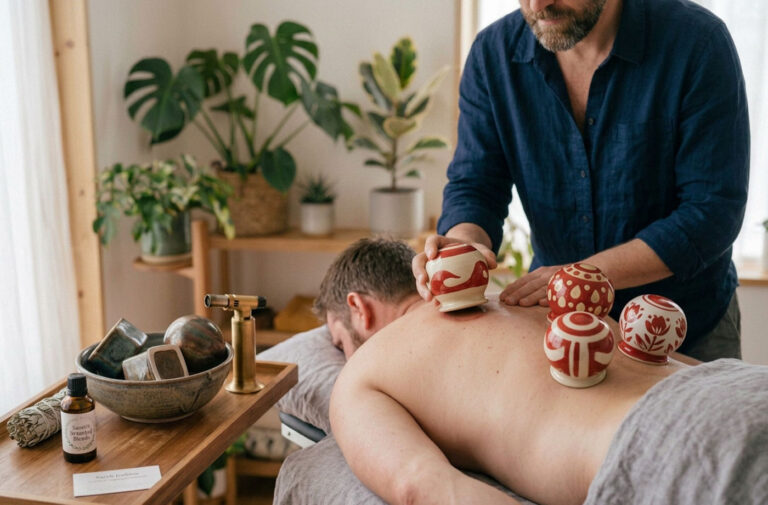
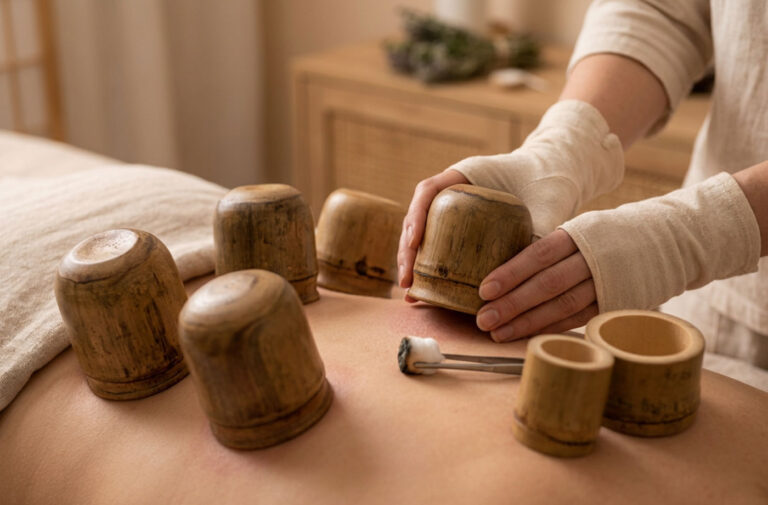
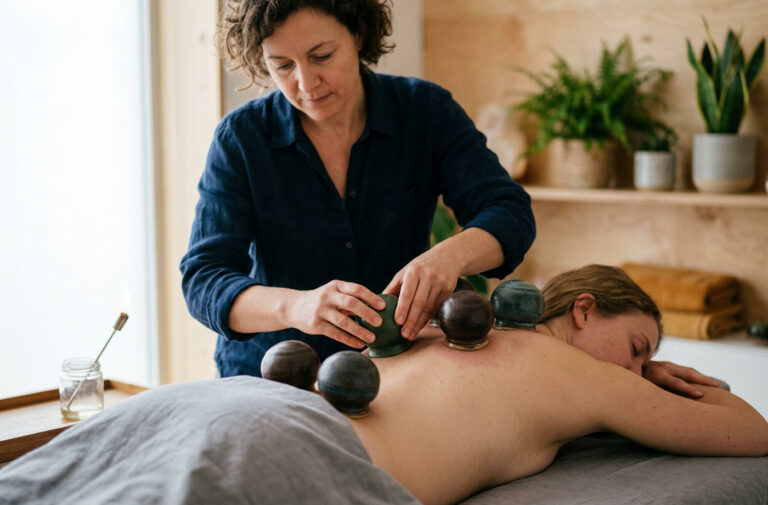
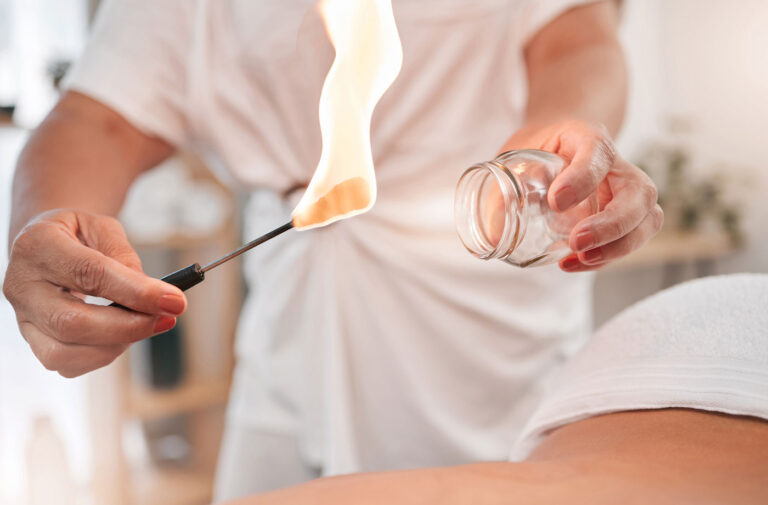
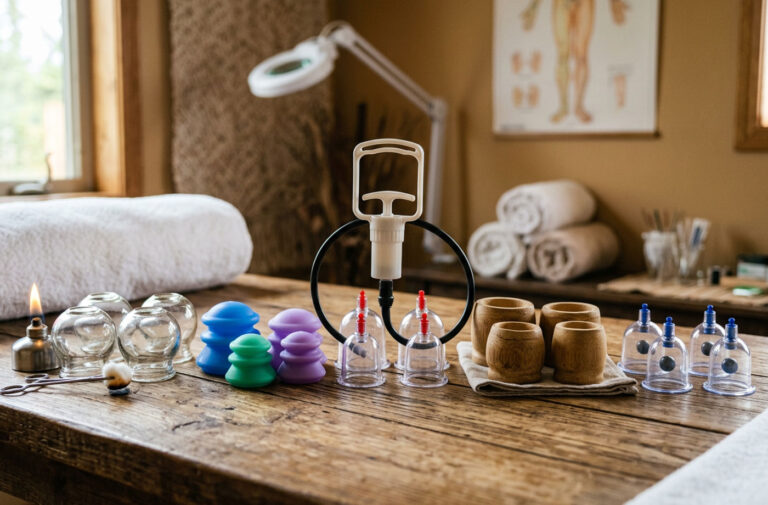
We sell cupping cups, so of course we love cupping. But you deserve straight answers, so here’s an honest summary of what the research says today.
What the research shows
- Pain relief shows the most promise. A 2024 review of randomized trials in Complementary Therapies in Medicine found that cupping improved low back pain and disability in the short term, while noting the evidence was weaker for long-term chronic pain.
- Chronic muscle and joint pain. A 2025 review in BMJ Open concluded cupping may reduce pain intensity in people with chronic musculoskeletal pain, mainly in the short term.
- Study quality is still a concern. A 2024 umbrella review of 21 earlier reviews found most were of low methodological quality, and it said there wasn’t enough evidence to recommend cupping specifically for athletes.
- Compared with acupuncture, one review of 23 trials found the two had similar pain-relieving effects and no serious adverse events.
The fair summary: cupping may help some people with muscle pain and tension, especially in the short term, as part of a broader plan. It isn’t a cure-all, and it should never replace medical care for a serious condition.
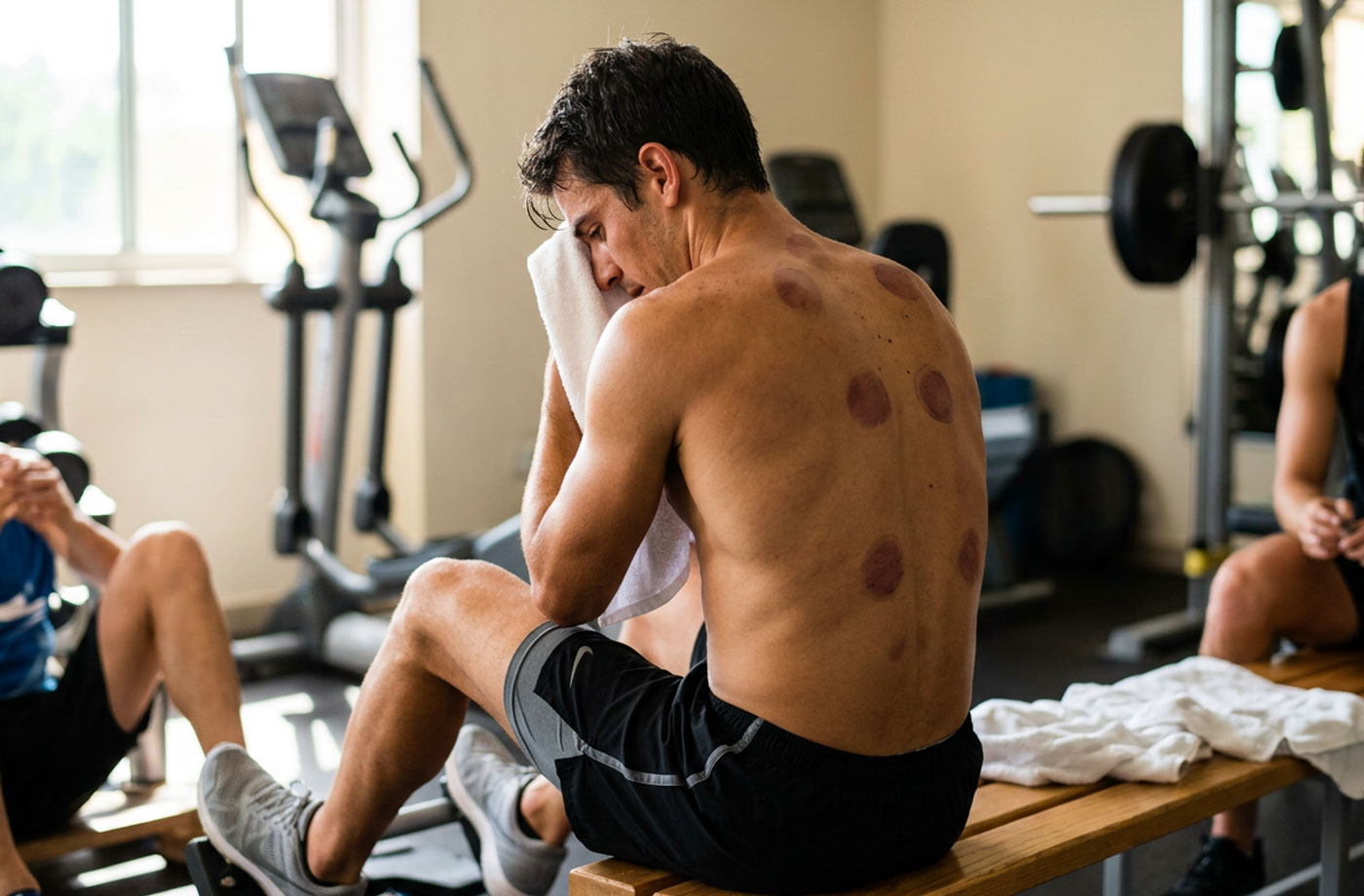
What are the marks?
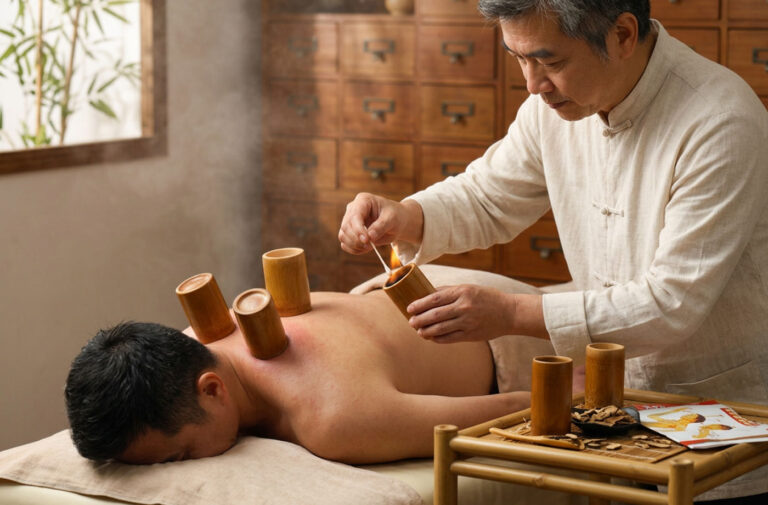
The round marks happen because suction draws blood toward the surface and can break tiny capillaries under the skin. They’re usually painless and typically fade within several days to about a week. Darker marks don’t mean “more toxins”; they generally reflect suction strength, time and individual skin.
Possible side effects
The US National Center for Complementary and Integrative Health (NCCIH) notes that cupping can cause lasting skin discoloration, scars, burns and infections, and can worsen eczema or psoriasis. Some people feel lightheaded, nauseous or get a headache. Most problems are preventable with gentle suction, short sessions, clean equipment and no shared cups.
Who should skip cupping or ask a doctor first
- Pregnant women (especially over the abdomen and lower back)
- People taking blood thinners or with bleeding or clotting disorders, or a history of deep vein thrombosis
- Anyone with broken, sunburned, infected or inflamed skin in the area
- People with severe heart disease, a pacemaker (for electronic devices), uncontrolled diabetes or poor circulation
- People with cancer, epilepsy or who are very frail or unwell
- Young children
Never cup over varicose veins, open wounds, the eyes, the front of the neck or directly over bones. And leave wet cupping (hijama), which involves cutting the skin, to trained, licensed practitioners using sterile disposable equipment.
Our approach
We believe in cupping as a traditional, enjoyable form of self-care and bodywork, used sensibly. Choose the right cups for your needs, start gently, and keep your healthcare provider in the loop.
Disclaimer
All the material contained on this website is provided for educational and informational purposes only. No responsibility can be taken for any results or outcomes resulting from the use of this material. While every attempt has been made to provide information that is both accurate and effective, this author does not assume any responsibility for the accuracy or use/misuse of this information. When in doubt, please consult your physician. Use this information at your own risk.