Pottery Cupping Cups: Earth, Fire and Tradition
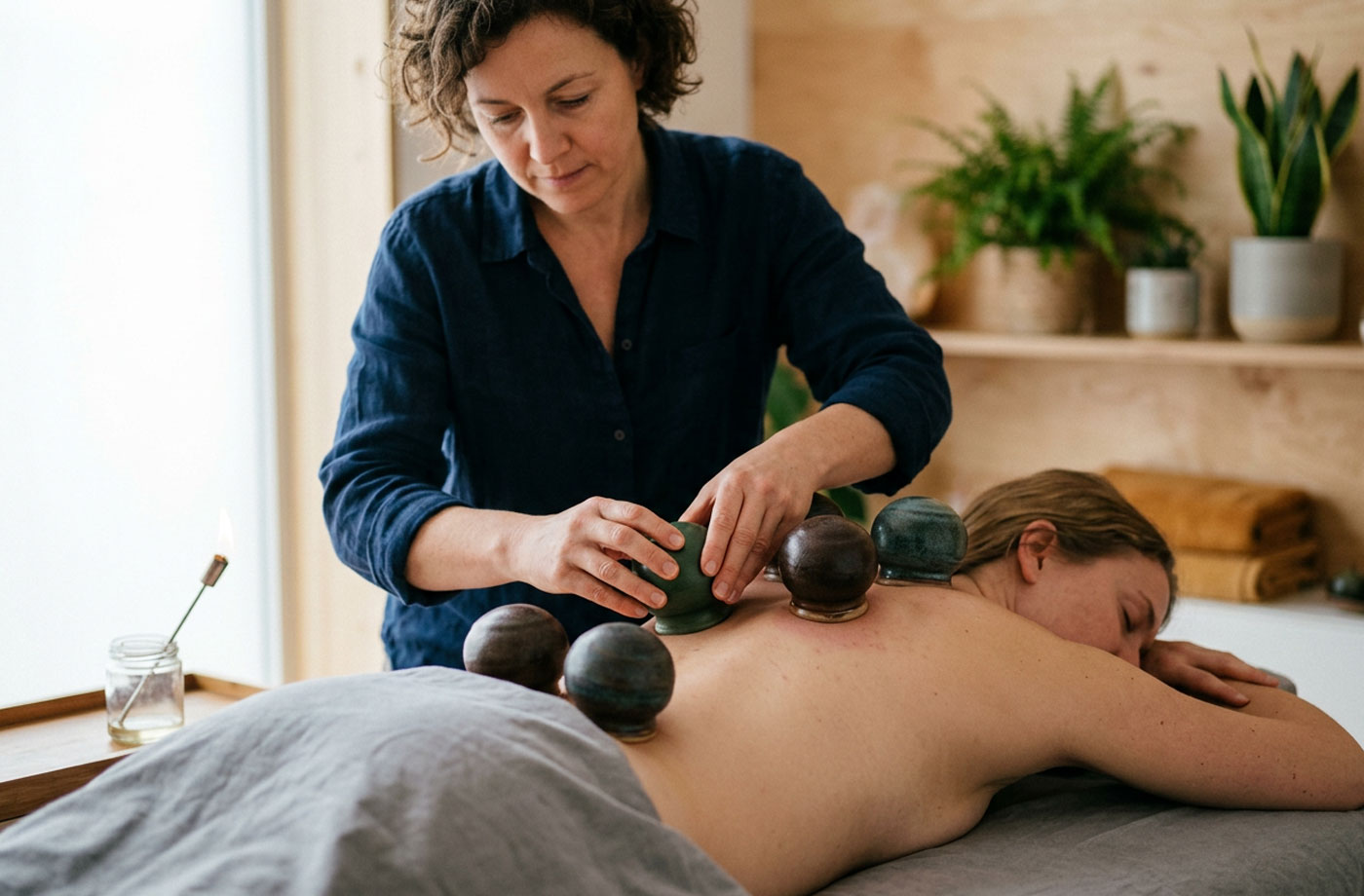
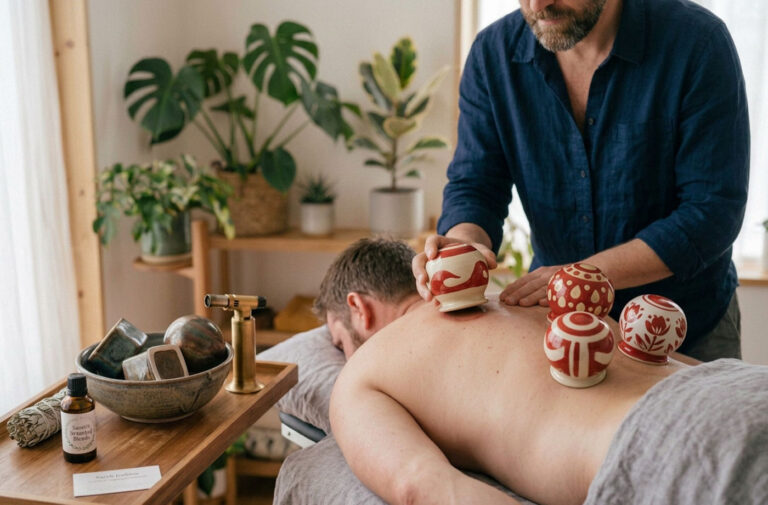
If bamboo is cupping’s natural classic, pottery is its craftsman’s classic. Glazed ceramic jars have been used for cupping in China and across the Middle East for centuries, and many practitioners still prefer them for fire cupping.
A brief history
As potters learned to fire durable, glazed vessels, small jars became an obvious upgrade to horn. Tang Dynasty texts describe cups made of both bamboo and pottery, and ceramic cups remained common in Chinese clinics into the 20th century. In the Middle East, clay and ceramic cups were used for hijama long before glass became widely available.
Pottery versus glass
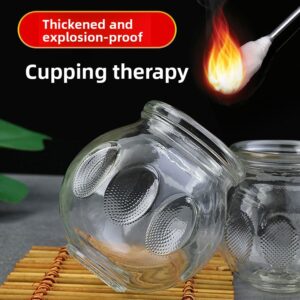
The two are close cousins. Both are used with fire, both are smooth and easy to clean, and both can break if dropped. The differences are mainly about feel:
Pottery / ceramic | Glass | |
|---|---|---|
Heat | Holds warmth longer; feels cozy on skin | Cools faster |
Visibility | Opaque | Clear, so you can watch the skin |
Weight | Heavier, more solid | Lighter |
Look | Hand-crafted, often decorated | Clinical, modern |
Benefits of ceramic cups
- Warmth. Ceramic retains heat, which many clients find soothing, especially on cold, stiff muscles.
- Hygienic surface. A glazed finish doesn’t absorb oils or moisture, so it can be washed and disinfected thoroughly.
- Long life. Unlike bamboo, ceramic doesn’t dry out or warp with repeated heating.
- Beauty. A handsome ceramic set adds a sense of tradition and calm to a treatment room.
How they’re used
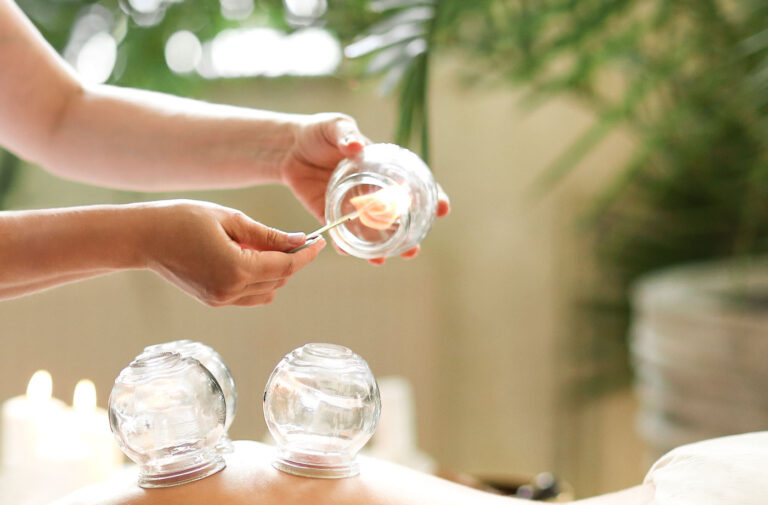
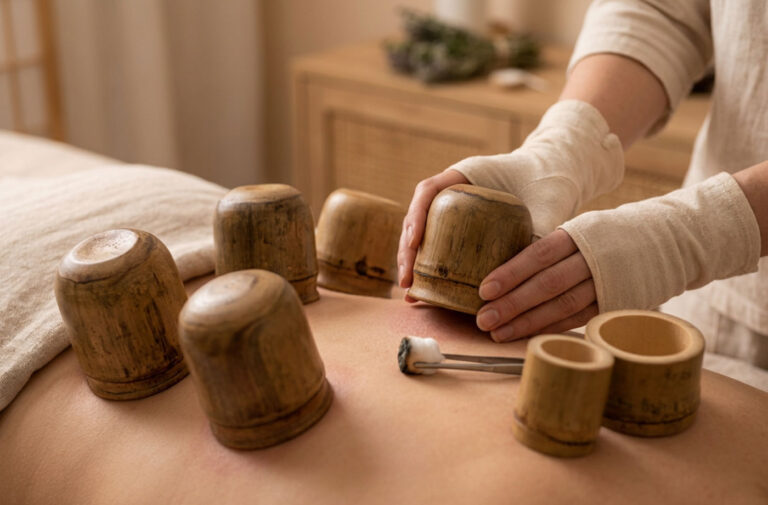
Ceramic cups are normally applied with the fire method by a trained practitioner. A cotton ball soaked in alcohol is clamped in forceps, lit, and swept quickly inside the cup, away from the client. The flame comes out, the cup goes straight onto the skin, and suction forms as the air cools. Cups usually stay on for 5–15 minutes. Because ceramic stays warm, practitioners also check rims carefully before placing each cup.
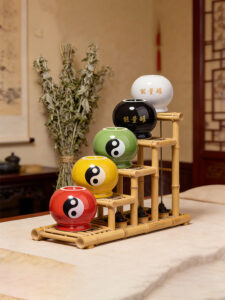
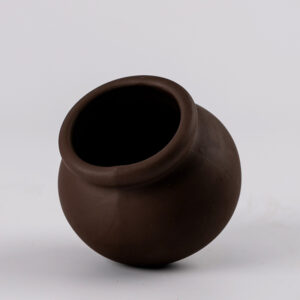
Our Ceramic Jar sets come in multiple sizes for the back, shoulders and legs.
Caring for ceramic cups
Wash with warm soapy water, disinfect, and dry fully. Store each cup with padding so rims don’t knock together. Check rims regularly and retire any cup with a chip, since a rough edge can cut skin.
Disclaimer
All the material contained on this website is provided for educational and informational purposes only. No responsibility can be taken for any results or outcomes resulting from the use of this material. While every attempt has been made to provide information that is both accurate and effective, this author does not assume any responsibility for the accuracy or use/misuse of this information. When in doubt, please consult your physician. Use this information at your own risk.